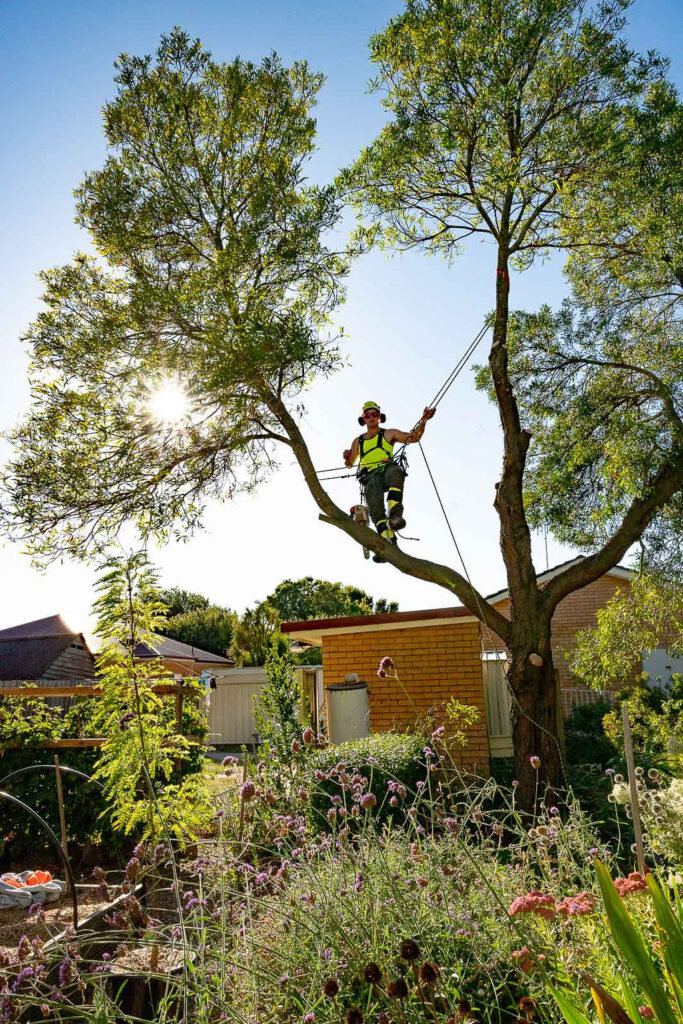
Storm damage can leave trees unstable and create serious risks for nearby homes. Broken limbs may fall onto roofs or block driveways, while damaged roots can cause a tree to lean unexpectedly. These situations need prompt attention when people or property are at risk.
Homeowners dealing with a hazardous tree may need emergency tree removal in Gisborne to address the danger and prevent further damage. The decision to remove a tree depends on its condition, stability and proximity to surrounding structures. Acting promptly can help restore safe access and reduce the risk of further property damage.
Why Emergency Tree Removal Is Sometimes Necessary
Emergency tree removal is typically required when a tree poses an immediate danger to people, buildings, vehicles, or infrastructure. In suburban areas like Gisborne, older trees can become vulnerable after storms or prolonged environmental stress.
Common emergency scenarios include:
- Split or cracked trunks after strong winds
- Large hanging branches over roofs or roads
- Trees uprooted from saturated ground
- Fallen trees blocking accessways
- Storm-damaged trees tangled in powerlines
- Sudden limb failures from internal decay
- Trees weakened by termites or disease
Fast action is important because damaged trees can continue shifting even after the initial incident. Delays may increase property damage or create additional safety hazards.
How Arborists Assess Emergency Tree Hazards
Qualified arborists generally begin with an on-site safety inspection before any cutting or dismantling work starts. The first priority is identifying the level of risk and determining whether the tree can be stabilised or requires full removal.
Assessment factors may include:
Structural Stability
Arborists inspect cracks, trunk separation, root movement, and canopy imbalance. Structural instability often indicates the tree could collapse further.
Tree Species Characteristics
Some species commonly found around Gisborne, including large eucalyptus varieties, can become unpredictable after storm damage due to limb weight and hidden fractures.
Proximity to Structures
Emergency crews assess nearby homes, garages, fences, sheds, and roads to determine safe removal zones and equipment access.
Electrical Hazards
If branches contact powerlines, arborists coordinate with utility providers before commencing work.
Ground Conditions
Wet or unstable soil can affect machinery placement and increase collapse risks during removal.
Equipment Commonly Used During Emergency Tree Removal
Emergency tree removal often requires specialised tools and machinery designed for hazardous environments.
Professional crews may use:
- Elevated work platforms (EWPs)
- Chainsaws with safety braking systems
- Rigging and lowering equipment
- Wood chippers
- Cranes for large tree sections
- Stump grinders
- Traffic control equipment
- Emergency lighting for low-visibility conditions
Using appropriate equipment allows crews to dismantle damaged trees in controlled sections rather than allowing unpredictable collapse.
The Importance of Rapid Storm Response
Storm-related emergencies are among the most common causes of urgent tree removal in regional Victoria. Heavy rainfall and strong winds can expose hidden weaknesses that were previously undetectable.
Fast response services are important because they help:
- Prevent secondary structural damage
- Restore driveway or road access
- Reduce insurance complications
- Remove dangerous hanging branches
- Protect neighbouring properties
- Improve overall site safety
After major weather events, experienced arborists typically prioritise high-risk cases involving occupied homes, blocked access, or immediate public danger.
When Tree Removal Is Safer Than Tree Pruning
Not all damaged trees require complete removal. In some situations, strategic pruning can eliminate dangerous limbs while preserving the remaining structure.
However, full removal may be recommended when:
- The trunk has major structural failure
- Root systems are severely compromised
- The tree is leaning significantly
- Decay affects load-bearing sections
- Multiple large limbs have failed
- Recovery potential is low
Professional arborists assess whether the remaining tree can safely survive long term or if removal is the safer and more cost-effective solution.
Emergency Tree Situations After Heavy Rainfall
Wet soil conditions can create significant instability around large trees. Saturated ground reduces root anchorage and may cause sudden leaning or uprooting.
In areas throughout Gisborne and surrounding Macedon Ranges communities, emergency crews often respond to:
- Trees collapsing onto fences
- Root plate lifting
- Leaning trees near homes
- Fallen branches across roads
- Soil erosion exposing roots
Properties with sloped landscapes or clay-heavy soil can be particularly vulnerable during extended rain periods.
Insurance Considerations for Emergency Tree Removal
Homeowners frequently contact insurers after storm-related tree incidents. Documentation and professional reporting can assist with claims involving structural damage or hazardous tree failures.
Arborists may provide:
- Site assessments
- Hazard documentation
- Photographic evidence
- Emergency work records
- Arborist reports where required
Insurance coverage varies depending on the cause of the incident and the extent of resulting property damage.
Preventing Future Emergency Tree Problems
While not all emergencies are avoidable, regular maintenance significantly reduces the likelihood of sudden failures.
Preventative measures include:
- Routine tree inspections
- Crown thinning and weight reduction
- Deadwood removal
- Monitoring root health
- Pest and disease management
- Identifying structural weaknesses early
Property owners with large established trees benefit from periodic arborist assessments, especially before storm seasons.
Choosing Qualified Emergency Tree Professionals
Emergency tree work is highly dangerous and should only be performed by trained professionals with appropriate insurance and safety procedures.
When selecting a tree removal provider, property owners often look for:
- Qualified arborists
- Emergency response capability
- Public liability insurance
- Modern equipment
- Experience with storm-damaged trees
- Local knowledge of Gisborne conditions
- Safe debris removal procedures
Experienced crews understand how local weather patterns, mature vegetation, and suburban access constraints affect emergency operations throughout the region.
Need Fast Help for Emergency Tree Problems in Gisborne? Speak With Local Arborists Before Storm Damage Gets Worse
Storm-damaged trees, unstable branches and fallen limbs can create serious hazards for homes across Gisborne. Acting quickly can help prevent further property damage and keep access areas safe.
Severe weather and weakened root systems can leave trees unstable. Professional arborists can assess the damage and determine whether hazardous branches or the entire tree need to be removed.
Cracked trunks and hanging limbs may remain dangerous after a storm has passed. A prompt inspection can help identify ongoing risks and determine the safest response.
If a damaged tree threatens your property, seek professional assistance and keep people away from unstable trees or fallen branches near powerlines.