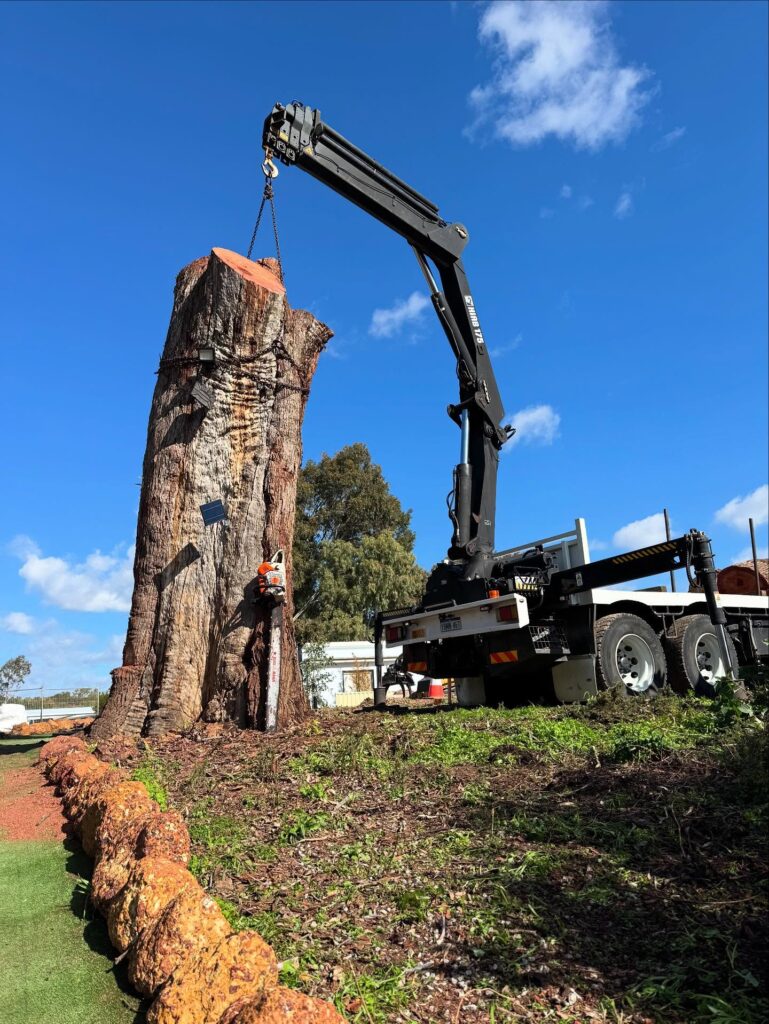
Trees provide numerous benefits to residential and commercial properties, including shade, privacy, environmental value, and visual appeal. In many situations, routine tree maintenance, tree pruning, tree trimming, and arborist services can help preserve tree health and extend the lifespan of mature trees. However, there are times when ongoing maintenance is no longer enough to address serious health, structural, or safety concerns.
Understanding when tree removal becomes the most practical and responsible solution can help property owners protect their landscapes, structures, and surrounding environments. Professional arborist assessments play a vital role in determining whether a tree can be preserved through tree care services or whether removal is necessary to minimise future risks.
Understanding the Limits of Tree Maintenance and Arborist Care
Regular tree maintenance is one of the most effective ways to promote healthy growth and reduce hazards. However, not all tree problems can be resolved through pruning or corrective care.
How Tree Maintenance Supports Long-Term Tree Health
Routine tree maintenance may include:
- Tree pruning
- Tree trimming
- Canopy management
- Deadwood removal
- Crown thinning
- Tree health assessments
- Arborist inspections
These services help maintain tree structure, encourage healthy growth, and identify issues before they become severe.
When Tree Care Services May No Longer Be Effective
Some tree conditions continue to worsen despite ongoing maintenance. In these cases, arborists may recommend tree removal to prevent further deterioration and reduce potential safety concerns.
Tree Health Problems That Can Lead to Tree Removal Services
Tree health issues are among the most common reasons removal becomes necessary.
Advanced Tree Disease and Internal Decay
Certain diseases can compromise the structural integrity of a tree over time. While some conditions can be managed through arborist care, extensive disease may eventually affect the tree’s ability to remain stable.
Common indicators include:
- Large areas of dead branches
- Significant canopy decline
- Extensive fungal growth
- Decaying wood
- Hollow trunk sections
When decay becomes widespread, removal may be the safest option.
Dead and Dying Trees Create Ongoing Safety Risks
Dead trees lose structural strength and become increasingly vulnerable to branch failure and collapse.
Potential risks include:
- Falling limbs
- Property damage
- Injury to occupants
- Increased storm-related hazards
Professional tree inspections can help determine whether a declining tree remains viable or requires removal.
Structural Tree Defects That Cannot Be Corrected Through Tree Pruning
Tree pruning is highly effective for managing many structural issues, but some defects are too severe to correct.
Cracked Trunks and Major Structural Failures
Large trunk cracks, splitting stems, and severe structural weaknesses can significantly reduce tree stability.
These defects may increase the likelihood of:
- Trunk failure
- Branch collapse
- Tree instability
- Property damage
Root Instability and Underground Tree Problems
Healthy root systems are essential for tree stability. When roots become damaged or compromised, the entire tree may be affected.
Potential warning signs include:
- Sudden leaning
- Exposed roots
- Soil movement around the base
- Root decay
- Poor anchorage
Root-related issues are often difficult to resolve and may ultimately require tree removal services.
Storm-Damaged Trees and Emergency Tree Removal Considerations
Severe weather can dramatically affect tree condition.
How Storm Damage Can Compromise Tree Safety
High winds, heavy rainfall, and severe storms can cause:
- Broken limbs
- Split trunks
- Root failure
- Canopy imbalance
- Structural weakening
Even when damage is not immediately visible, internal defects may develop following a storm event.
When Emergency Tree Removal Becomes Necessary
Emergency tree removal services may be required when a tree:
- Falls onto structures
- Threatens power lines
- Blocks access routes
- Shows signs of imminent collapse
- Creates immediate safety hazards
Prompt action can help minimise further damage and protect surrounding property.
Tree Risk Assessments Help Determine Whether Removal Is Necessary
Professional arborist services play an important role in evaluating tree condition.
Tree Inspections Identify High-Risk Conditions
Tree inspections often assess:
- Structural stability
- Tree health
- Root condition
- Canopy integrity
- Disease presence
- Safety concerns
These findings help guide recommendations for ongoing maintenance or removal.
Tree Health Assessments Support Informed Decisions
Tree health assessments provide valuable information about whether a tree can realistically recover or whether removal represents the safest long-term solution.
Tree Pruning, Tree Lopping, and Canopy Management Before Considering Removal
Removal is often considered a last resort after other management options have been evaluated.
How Tree Pruning Can Address Certain Tree Problems
Professional tree pruning may help:
- Remove deadwood
- Improve branch structure
- Reduce canopy density
- Enhance airflow
- Improve tree balance
In many cases, pruning can extend the life of a tree and reduce potential hazards.
Tree Lopping and Canopy Reduction for Growth Management
Tree lopping and canopy reduction may be used to manage excessive growth and improve clearances around structures. However, these techniques cannot resolve severe disease, extensive decay, or major structural defects.
Common Signs That Tree Removal May Be the Safest Option
Several indicators may suggest that maintenance alone is no longer sufficient.
Warning Signs Property Owners Should Watch For
Potential signs include:
- Extensive deadwood throughout the canopy
- Significant trunk decay
- Large hollow sections
- Severe leaning
- Repeated branch failures
- Major storm damage
- Root instability
- Progressive canopy decline
Professional arborist inspections can help verify whether these issues require immediate attention.
Property Protection Often Requires Proactive Action
Addressing serious tree concerns before failure occurs can help prevent costly damage to homes, vehicles, fences, driveways, and surrounding landscapes.
When inspections reveal advanced decay, severe structural instability, or significant storm-related damage, working with specialists who provide hazardous tree removal Forrestfield services can help eliminate high-risk trees before they create safety hazards or cause property damage. Professional arborists can assess the level of risk and recommend the most appropriate solution based on the tree’s condition and location.
Residential Tree Care and Arborist Services for Long-Term Property Management
Even when removal becomes necessary, professional tree care remains important for maintaining a healthy landscape.
Tree Management Supports Safer Outdoor Environments
Ongoing tree management may include:
- Tree inspections
- Tree health assessments
- Tree pruning
- Canopy management
- Hazard reduction
- Arborist consultations
These services help maintain safer and healthier properties over time.
Professional Arborist Services Help Protect Valuable Landscapes
Arborists can evaluate existing trees, identify future concerns, and recommend maintenance strategies that support long-term tree health and property protection.
Take Action Before Hazardous Trees Create Serious Property Risks
While regular tree maintenance, tree pruning, and arborist care can resolve many tree-related concerns, there are situations where tree removal becomes the most responsible solution. Trees affected by advanced disease, structural instability, severe storm damage, or significant decline may present risks that cannot be adequately addressed through maintenance alone.
Professional tree inspections and tree health assessments provide the information needed to make informed decisions about tree management. By addressing serious concerns early and seeking expert arborist advice, property owners can protect their homes, improve safety, and maintain healthier landscapes for years to come