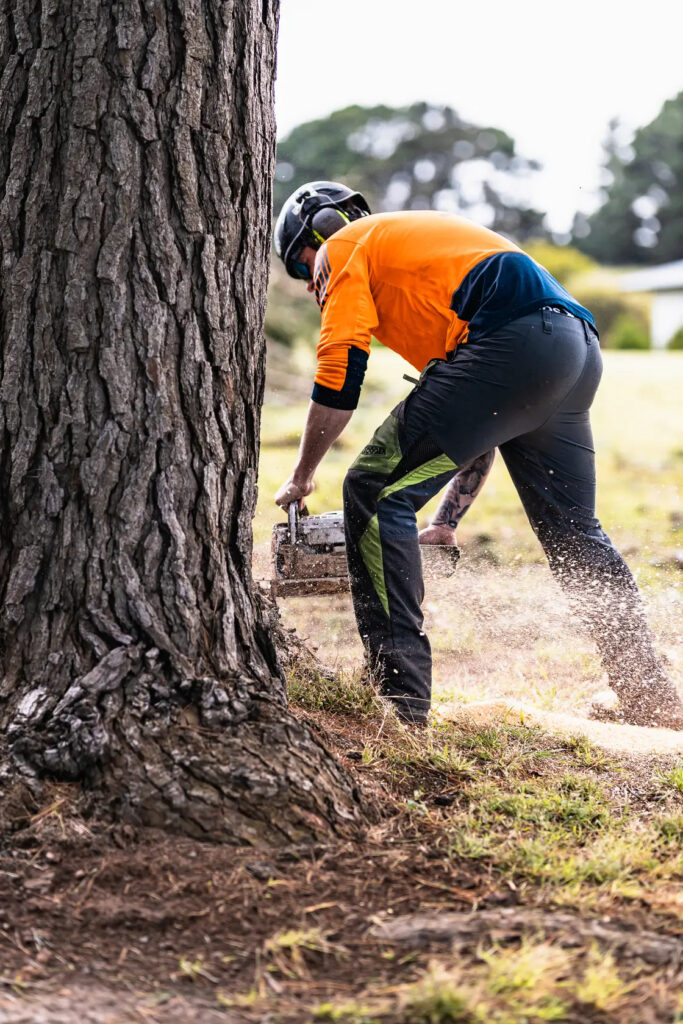
Trees provide shade, visual appeal, and environmental benefits, but they can also present serious risks when their health or structural integrity begins to decline. Hazardous trees can develop gradually over time due to disease, storm damage, root problems, or natural aging, making it important for property owners to recognise warning signs before accidents occur.
Understanding when a tree may pose a risk is an important part of responsible property management. Professional arborist services and tree inspections can help identify potential hazards early and determine whether tree maintenance, corrective pruning, or tree removal Rosebud is the most appropriate course of action.
Understanding Hazardous Trees and Why Tree Removal Rosebud May Be Necessary
Not every unhealthy tree requires removal, but some conditions can significantly increase the risk of branch failure or complete tree collapse.
What Makes a Tree Hazardous?
A tree may be considered hazardous when it has structural defects, declining health, or an increased likelihood of causing damage to people or property.
Common risk factors include:
- Large dead branches
- Advanced tree decay
- Root instability
- Significant trunk damage
- Severe storm damage
- Leaning or unstable growth
Why Early Tree Risk Assessment Matters
A professional tree risk assessment helps identify concerns before they become serious safety issues. Early intervention may provide more management options and help reduce the risk of unexpected tree failure.
Common Signs That a Tree May Require Professional Tree Inspection
Hazardous trees often display warning signs that should not be ignored.
Dead Branches and Canopy Decline
Deadwood throughout the canopy can indicate declining tree health and increased risk of falling branches.
Property owners should watch for:
- Large dead limbs
- Sparse foliage
- Uneven canopy growth
- Excessive branch dieback
- Premature leaf drop
Visible Cracks and Structural Defects
Structural weaknesses may develop in trunks and major branches as trees age or experience environmental stress.
Common indicators include:
- Deep trunk cracks
- Splitting branches
- Hollow sections
- Weak branch unions
- Multiple trunk formations
Tree Health Problems That Can Lead to Tree Removal
Certain health issues can significantly weaken trees and increase the likelihood of failure.
Diseased Trees and Internal Decay
Tree diseases often affect structural integrity over time, particularly when decay develops inside the trunk or root system.
Some symptoms include:
- Fungal growth
- Soft or decaying wood
- Bark loss
- Extensive dieback
- Reduced growth
Pest Activity and Tree Decline
Insect infestations can contribute to declining tree health by damaging bark, foliage, and internal structures.
Professional arborist services can help assess whether treatment or tree removal is the safest option.
Storm-Damaged Trees Can Become Serious Safety Risks
Severe weather is one of the leading causes of hazardous tree conditions.
Storm Damage May Not Always Be Visible
After storms, trees may appear stable while hiding internal damage.
Potential concerns include:
- Cracked limbs
- Split trunks
- Root movement
- Canopy imbalance
- Structural weakening
Emergency Tree Removal for Immediate Hazards
In situations where a tree presents an immediate danger to people, vehicles, or buildings, emergency tree removal may be required to reduce safety risks.
Tree Risk Assessments Help Protect Homes and Properties
Professional tree inspections provide valuable information about the condition and stability of trees located near structures, driveways, and outdoor living areas.
Arborist Services Support Informed Decision-Making
Qualified arborists evaluate:
- Tree health
- Structural integrity
- Root stability
- Disease presence
- Potential safety risks
This helps property owners determine whether tree maintenance, pruning, or tree removal is the most suitable solution.
Tree Management Helps Reduce Future Risks
Proactive tree management often includes:
- Routine tree inspections
- Tree pruning services
- Deadwood removal
- Tree health monitoring
- Risk reduction strategies
Residential Tree Care and Tree Maintenance Can Prevent Hazardous Conditions
Many hazardous tree situations develop over several years rather than appearing suddenly. Regular tree maintenance allows problems to be identified and managed before they become serious safety concerns.
Tree care services such as structural pruning, canopy management, and ongoing tree health assessments help support stronger growth while reducing the likelihood of branch failure and structural defects. Property owners who invest in preventative tree care often experience fewer emergency situations and better long-term tree performance.
Protect Your Property With Professional Tree Removal Rosebud and Arborist Services
Hazardous trees should never be ignored, particularly when they are located near homes, driveways, fences, or high-traffic outdoor areas. Whether the concern involves storm-damaged trees, declining tree health, structural defects, or unstable root systems, professional arborist services can help identify risks and recommend the most appropriate solution.
If a tree is determined to pose a significant safety hazard, working with qualified tree removal Rosebud professionals can help ensure the tree is assessed and removed safely while minimising risks to surrounding structures and landscapes. Professional tree removal services are often necessary when hazardous trees can no longer be managed through pruning, maintenance, or other tree care measures.
Through professional tree inspections, tree risk assessments, and ongoing tree maintenance, property owners can make informed decisions that support both safety and long-term landscape health. Taking action early can help prevent property damage, reduce safety hazards, and maintain a safer outdoor environment for years to come.