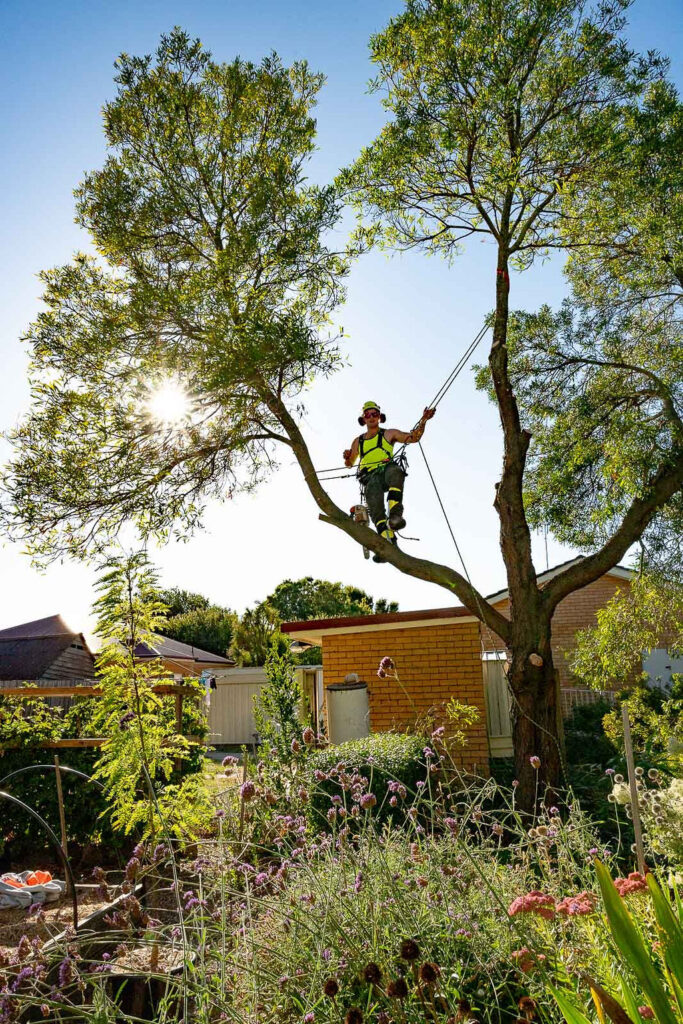
Severe weather, falling limbs, unstable trunks, and storm-damaged trees can quickly become dangerous for homeowners and businesses across Gisborne. Emergency tree situations often happen without warning, especially during high winds, heavy rainfall, or after prolonged drought conditions that weaken root systems. Understanding how professional tree removal teams respond to urgent hazards helps property owners make informed decisions when safety is at risk.
In many parts of the Macedon Ranges, mature gum trees and large established vegetation can become unstable due to soil movement, decay, pest damage, or structural failure. When a tree threatens homes, driveways, powerlines, fences, or public access areas, rapid assessment and controlled removal procedures become critical.
Professional arborists and emergency response crews use specialised equipment, risk assessment techniques, and safe dismantling methods to minimise damage while restoring safety to the property. Property owners looking for reliable assistance often seek experienced providers offering emergency tree removal in Gisborne to manage hazardous situations quickly and safely.
Why Emergency Tree Removal Is Sometimes Necessary
Emergency tree removal is typically required when a tree poses an immediate danger to people, buildings, vehicles, or infrastructure. In suburban areas like Gisborne, older trees can become vulnerable after storms or prolonged environmental stress.
Common emergency scenarios include:
- Split or cracked trunks after strong winds
- Large hanging branches over roofs or roads
- Trees uprooted from saturated ground
- Fallen trees blocking accessways
- Storm-damaged trees tangled in powerlines
- Sudden limb failures from internal decay
- Trees weakened by termites or disease
Fast action is important because damaged trees can continue shifting even after the initial incident. Delays may increase property damage or create additional safety hazards.
How Arborists Assess Emergency Tree Hazards
Qualified arborists generally begin with an on-site safety inspection before any cutting or dismantling work starts. The first priority is identifying the level of risk and determining whether the tree can be stabilised or requires full removal.
Assessment factors may include:
Structural Stability
Arborists inspect cracks, trunk separation, root movement, and canopy imbalance. Structural instability often indicates the tree could collapse further.
Tree Species Characteristics
Some species commonly found around Gisborne, including large eucalyptus varieties, can become unpredictable after storm damage due to limb weight and hidden fractures.
Proximity to Structures
Emergency crews assess nearby homes, garages, fences, sheds, and roads to determine safe removal zones and equipment access.
Electrical Hazards
If branches contact powerlines, arborists coordinate with utility providers before commencing work.
Ground Conditions
Wet or unstable soil can affect machinery placement and increase collapse risks during removal.
Equipment Commonly Used During Emergency Tree Removal
Emergency tree removal often requires specialised tools and machinery designed for hazardous environments.
Professional crews may use:
- Elevated work platforms (EWPs)
- Chainsaws with safety braking systems
- Rigging and lowering equipment
- Wood chippers
- Cranes for large tree sections
- Stump grinders
- Traffic control equipment
- Emergency lighting for low-visibility conditions
Using appropriate equipment allows crews to dismantle damaged trees in controlled sections rather than allowing unpredictable collapse.
The Importance of Rapid Storm Response
Storm-related emergencies are among the most common causes of urgent tree removal in regional Victoria. Heavy rainfall and strong winds can expose hidden weaknesses that were previously undetectable.
Fast response services are important because they help:
- Prevent secondary structural damage
- Restore driveway or road access
- Reduce insurance complications
- Remove dangerous hanging branches
- Protect neighbouring properties
- Improve overall site safety
After major weather events, experienced arborists typically prioritise high-risk cases involving occupied homes, blocked access, or immediate public danger.
When Tree Removal Is Safer Than Tree Pruning
Not all damaged trees require complete removal. In some situations, strategic pruning can eliminate dangerous limbs while preserving the remaining structure.
However, full removal may be recommended when:
- The trunk has major structural failure
- Root systems are severely compromised
- The tree is leaning significantly
- Decay affects load-bearing sections
- Multiple large limbs have failed
- Recovery potential is low
Professional arborists assess whether the remaining tree can safely survive long term or if removal is the safer and more cost-effective solution.
Emergency Tree Situations After Heavy Rainfall
Wet soil conditions can create significant instability around large trees. Saturated ground reduces root anchorage and may cause sudden leaning or uprooting.
In areas throughout Gisborne and surrounding Macedon Ranges communities, emergency crews often respond to:
- Trees collapsing onto fences
- Root plate lifting
- Leaning trees near homes
- Fallen branches across roads
- Soil erosion exposing roots
Properties with sloped landscapes or clay-heavy soil can be particularly vulnerable during extended rain periods.
Insurance Considerations for Emergency Tree Removal
Homeowners frequently contact insurers after storm-related tree incidents. Documentation and professional reporting can assist with claims involving structural damage or hazardous tree failures.
Arborists may provide:
- Site assessments
- Hazard documentation
- Photographic evidence
- Emergency work records
- Arborist reports where required
Insurance coverage varies depending on the cause of the incident and the extent of resulting property damage.
Preventing Future Emergency Tree Problems
While not all emergencies are avoidable, regular maintenance significantly reduces the likelihood of sudden failures.
Preventative measures include:
- Routine tree inspections
- Crown thinning and weight reduction
- Deadwood removal
- Monitoring root health
- Pest and disease management
- Identifying structural weaknesses early
Property owners with large established trees benefit from periodic arborist assessments, especially before storm seasons.
Choosing Qualified Emergency Tree Professionals
Emergency tree work is highly dangerous and should only be performed by trained professionals with appropriate insurance and safety procedures.
When selecting a tree removal provider, property owners often look for:
- Qualified arborists
- Emergency response capability
- Public liability insurance
- Modern equipment
- Experience with storm-damaged trees
- Local knowledge of Gisborne conditions
- Safe debris removal procedures
Experienced crews understand how local weather patterns, mature vegetation, and suburban access constraints affect emergency operations throughout the region.
Need Fast Help for Emergency Tree Problems in Gisborne? Speak With Local Arborists Before Storm Damage Gets Worse
Storm-damaged trees, unstable branches, and fallen limbs can quickly become serious safety hazards for homes and properties across Gisborne. When emergency situations happen, acting quickly can help prevent further structural damage, blocked access, and additional risks to nearby buildings or vehicles.
Professional arborists understand the challenges that severe weather, aging trees, and unstable root systems can create throughout the Macedon Ranges region. Whether a tree has partially collapsed, become dangerously unstable, or is threatening surrounding structures, experienced emergency crews can assess the situation and carry out safe removal procedures using specialised equipment and controlled dismantling methods.
Homeowners and property managers searching for reliable emergency tree removal in Gisborne often prioritise rapid response times, qualified arborist knowledge, and safe work practices that minimise further property damage. Emergency tree specialists can also assist with storm clean-up, hazardous limb removal, debris clearing, and identifying trees that may pose future risks after severe weather events.
In many emergency situations, damaged trees may continue shifting long after the initial storm or impact event. Cracked trunks, hanging limbs, and compromised root systems can become increasingly unstable, particularly during strong winds or additional rainfall. This is why arranging a professional inspection as early as possible can help reduce safety risks and avoid more extensive property damage.
If you are dealing with a hazardous tree, storm-related damage, or urgent safety concerns around your property, working with experienced local arborists can help you respond quickly and safely before conditions become more dangerous.